No. 07 · · 2 min read
Dancing Data: A Case for Open and Responsible Sharing
On a Power BI dashboard, data seems to dance. Opening it up lets more people choreograph their own. So how do we share it openly, and still responsibly?
The idea
Every visualization is a choreography of the data. Open data lets more people tell their own stories with it, as long as it is shared responsibly, with clear guidelines and safeguards.
01
Each chart is a choreography
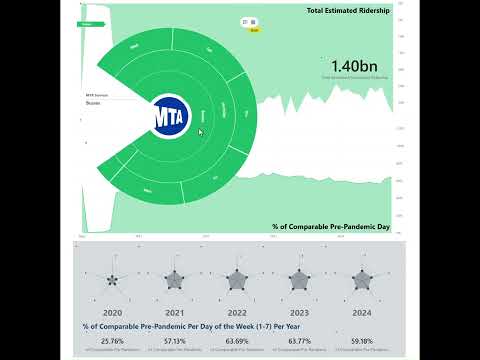
Building a Power BI dashboard, the author saw each visualization as its own dance, telling its own story.
02
Openness multiplies the stories
When more people can shape the same data, creators and audiences both benefit.
03
Share with guidelines and safeguards
Organizational policymakers and data architects are crucial: the more they commit to sharing data, the more we all benefit.
The beauty of open data is that it allows more people to choreograph their own dances.
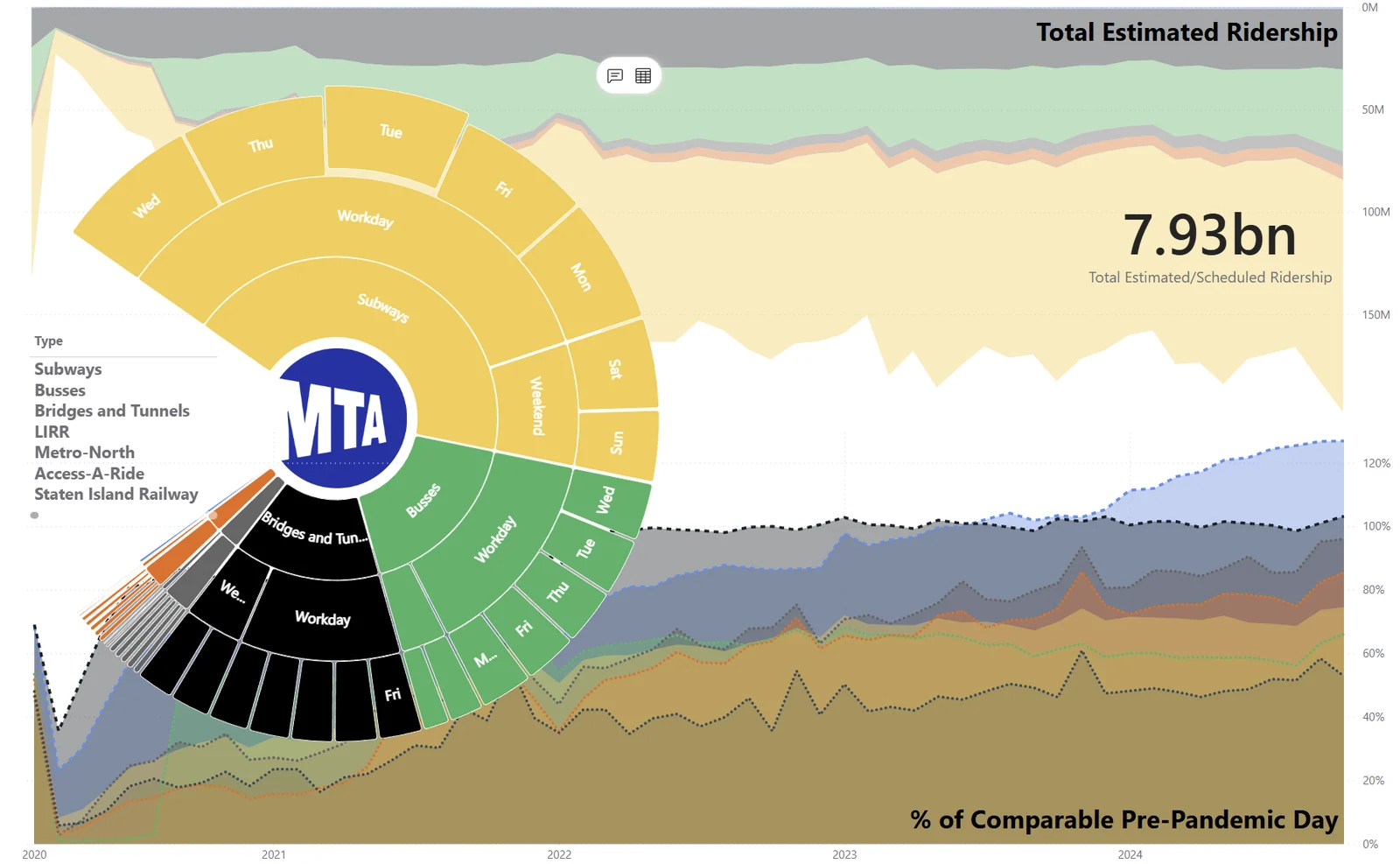
When I created my latest Power BI dashboard, one thing stood out: how the data literally dances on the screen. Each visualization felt like a unique choreography, telling its story through patterns, movements, and connections.
And just like in the world of dance, there are countless genres - each offering something different. The beauty of open data is that it allows more people to choreograph their own dances. Some will perform waltzes, others jazz or hip-hop, but everyone benefits - whether as the creators of these data dances or as the audience using them to make informed, data-driven decisions.
Are we ready to embrace the power of open and responsible data sharing? It’s not just about making data available; it’s about doing so RESPONSIBLY, with clear guidelines and safeguards. The role of organizational policymakers and data architects is crucial here. The more they commit to sharing data, the more we collectively benefit.
How do you see open data shaping humanitarian efforts or decision-making in your field?
Excited to hear your thoughts! If you’d like to jump into the discussion or share your insights, just follow this link, and let’s keep the conversation going: