No. 03 · · 3 min read
Finding Calm in Data Scarcity
In the first days of a crisis, everyone needs a number that does not exist yet. How do you stay calm and set priorities when information is fluid?
The idea
When everyone needs a number that does not exist yet, calm comes from priorities: not chasing every possible figure, but understanding what is truly needed.
01
Every number is a snapshot
Before the first public report, any figure shared was a snapshot in time, outdated within hours or even minutes.
02
Everyone needs it, quickly
Planning, operations and fundraising all needed a figure fast, and colleagues at every level kept asking for one.
03
Set priorities, stay calm
When the data will never be perfect, focus on what is most actionable, and accept its limits without letting them paralyze you.
it’s not always about doing what’s possible but understanding what’s truly needed.
At the onset of the war in Ukraine, the urgency was overwhelming. The atmosphere was charged - everyone felt the gravity of the situation, yet there was a determination to respond swiftly and effectively. As the Information Management Officer, I was immediately at the center of it all. My phone was buzzing every five minutes, with everyone - from senior management to field officers and coordinators - demanding one thing: “How many people have been displaced?”
And this question came from every corner of the organization. Senior Managers needed it for their planning and briefings, heads of offices were clamoring for numbers to plan their operations, and HQ wanted figures for fundraising efforts. Each request felt like it carried the weight of the world, and each department needed it urgently.
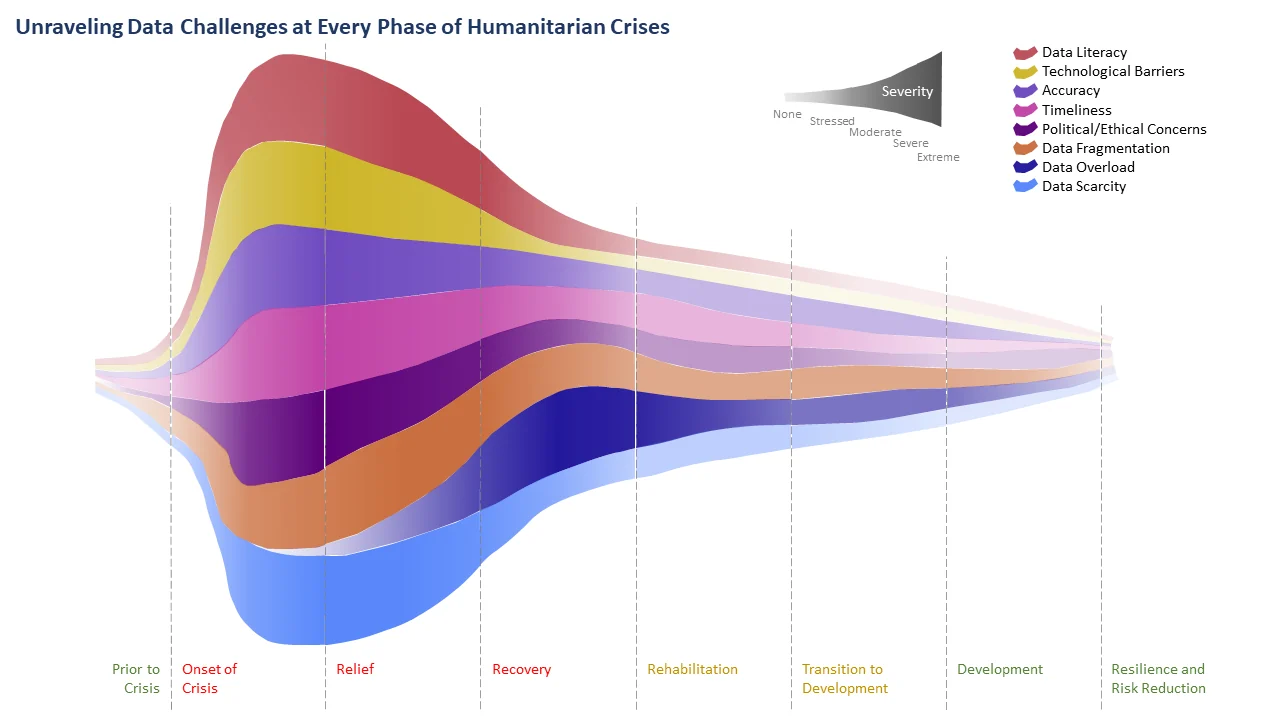
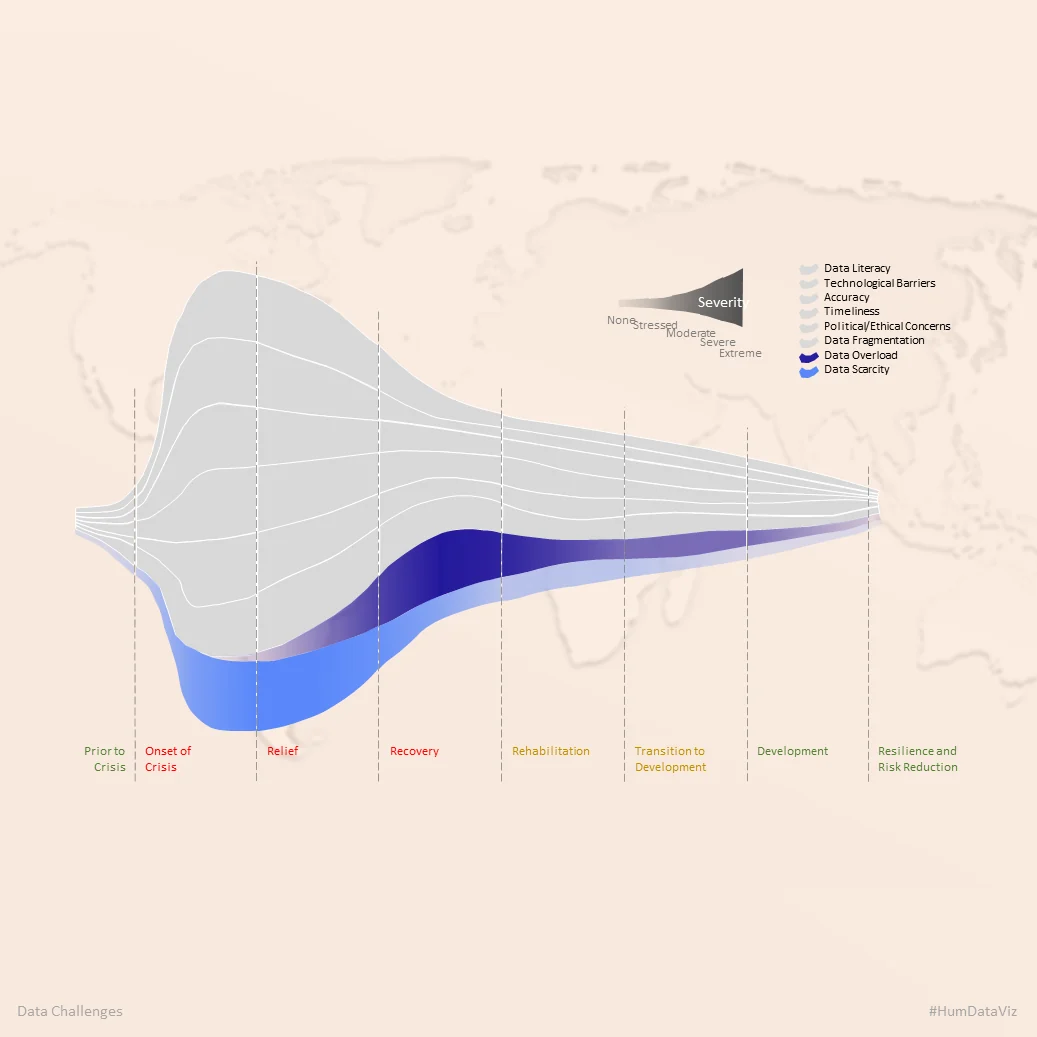
At that moment, though, the reality was harsh - displacement numbers were growing by the minute, making it nearly impossible to provide anything accurate. I was faced with the bizarre challenge of data scarcity and overload all at once: scarcity because there wasn’t a stable, reliable number, and overload because every few minutes, I was asked for that elusive figure.
The Data Scarcity Challenge
As the calls kept coming, the reality became clear: while everyone wanted a definitive number, there simply wasn’t one. As an Information Management Officer, I felt the weight of responsibility to deliver something concrete. But with the ground shifting as fast as it was, the truth was that any number I shared would only be a snapshot in time, outdated within hours or even minutes.
On March 18, 2022 - 22 days after the onset of the war - the first publicly available report was finally published. In hindsight, those 22 days now feel like a blur, but at the time, each day felt like an eternity. We went through countless iterations, compiling interim numbers that shifted constantly as we worked to capture the unfolding situation in real-time. Despite the challenges, I’m proud to have participated in the preparation of that first public report. It was the product of relentless effort from everyone involved.
Philosophical Takeaway
Looking back, I find myself asking, “In moments of data scarcity when information is fluid or seemingly unattainable, how do we find calm and prioritize effectively?” In that initial madness, the instinct was to scramble for numbers and provide something tangible. But with hindsight, I see the challenge more clearly: it’s not always about doing what’s possible but understanding what’s truly needed.
In humanitarian work, every decision carries weight, often impacting lives directly. This creates a unique tension between the drive to act quickly and the need for meaningful, reliable information. Perhaps in situations where the data will never be perfect, the real task is finding a way to focus on what’s most actionable. Learning to accept limitations in data without letting them paralyze us is, I think, a skill worth honing.
::.::. How do you handle high-pressure situations with data scarcity?
::.::. Do you think it’s better to provide a rough estimate to satisfy immediate needs, or to hold off until you have more reliable data, even if that means waiting longer?
Excited to hear your thoughts! If you’d like to jump into the discussion or share your insights, just follow this link, and let’s keep the conversation going: